








The Decline of Live Greyhound Racing: What It Means for Fans and Stakeholders
Greyhound racing has been a beloved sport for decades, captivating audiences with its speed, excitement, and the thrill of competition. However, in recent times, many fans have noticed that live greyhound racing events are increasingly Live Greyhound Racing Not on GamStop whippetgrey.co.uk. This article explores the factors contributing to this decline, the implications for fans and stakeholders, and what alternatives exist for those who enjoy the sport.
The Current State of Greyhound Racing
Greyhound racing has a rich history, with its roots tracing back to ancient times when dogs would chase hares. In the modern era, organized racing began in the early 20th century, particularly in the UK and the US. Over the years, the sport gained immense popularity, leading to the establishment of various tracks and events.
As of the early 2020s, however, many tracks around the world have begun to close, leading to a perception that live greyhound racing is largely absent from the sporting calendar. This shift can be attributed to a multitude of factors affecting the industry.

Factors Leading to the Decline
1. Animal Welfare Concerns
One of the most significant factors contributing to the decline of live greyhound racing is the growing concern over animal welfare. Reports of poor living conditions, injuries, and the treatment of retired racing dogs have drawn criticism from animal rights organizations and the general public. As awareness of these issues grows, many people are reconsidering their support for the sport.
2. Changing Public Attitudes
Public sentiment towards animal sports is changing. Younger generations are increasingly advocating for animals’ rights and pushing back against entertainment forms that prioritize profit over welfare. The shift in public perceptions means that support for live greyhound racing is dwindling, which, in turn, affects its profitability.
3. Economic Factors
The economic viability of greyhound racing has also been challenged. Many tracks have experienced dwindling attendance and sponsorship, leading to financial difficulties. With fewer spectators and betting revenue, many tracks have had to close their doors, reducing the availability of live racing events.
Implications for Fans and Stakeholders
The decline of live greyhound racing has significant implications for fans, stakeholders, trainers, and the dogs themselves. For dedicated fans, the absence of live racing diminishes the community experience, as many cherished social gatherings occur around race events. The thrill of watching a race live, cheering for a favorite dog, and sharing the excitement with fellow fans is irreplaceable.
For stakeholders, including trainers and breeders, the decline poses serious financial risks. Investing in dog breeding and training is a long-term commitment that relies on a stable racing environment. As tracks close, these stakeholders are forced to reconsider their livelihoods and futures.
Exploring Alternatives
For fans looking to continue enjoying the thrill of dog racing, there are alternative options available. While live races may not be as prevalent, virtual and online racing events are gaining popularity. These events allow fans to engage in the excitement of races from the comfort of their homes, with an increasing number of platforms offering live streaming and betting opportuni
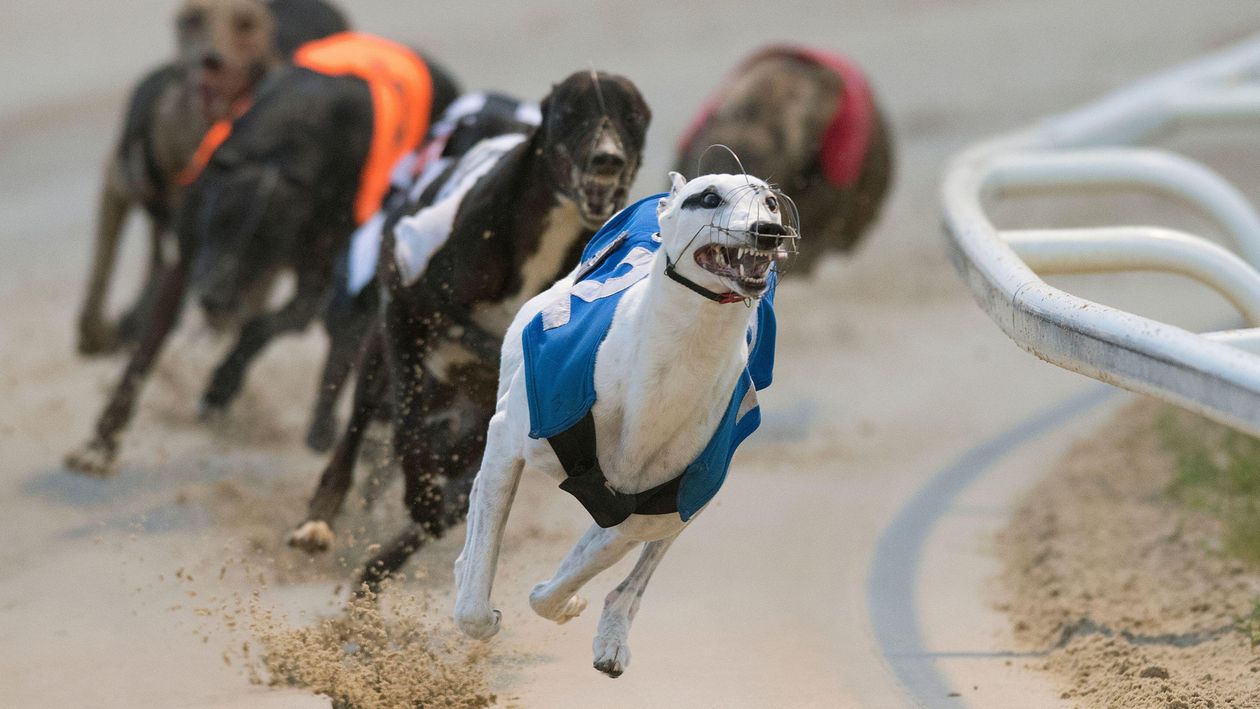
ties.
Various dog shows and competitions are also available for those interested in celebrating canine abilities outside of racing. Events focusing on agility, obedience, and beauty contests highlight the skills and strengths of dogs without the inherent risks associated with racing.
Conclusion
The decline of live greyhound racing is a multifaceted issue that reflects broader societal changes regarding animal rights and sports entertainment. While it is a loss for many die-hard fans, it also presents an opportunity to evolve and explore new facets of the canine sporting world. By embracing alternatives, supporters of dog racing can find new ways to celebrate their passion while promoting the welfare of the animals they love.